
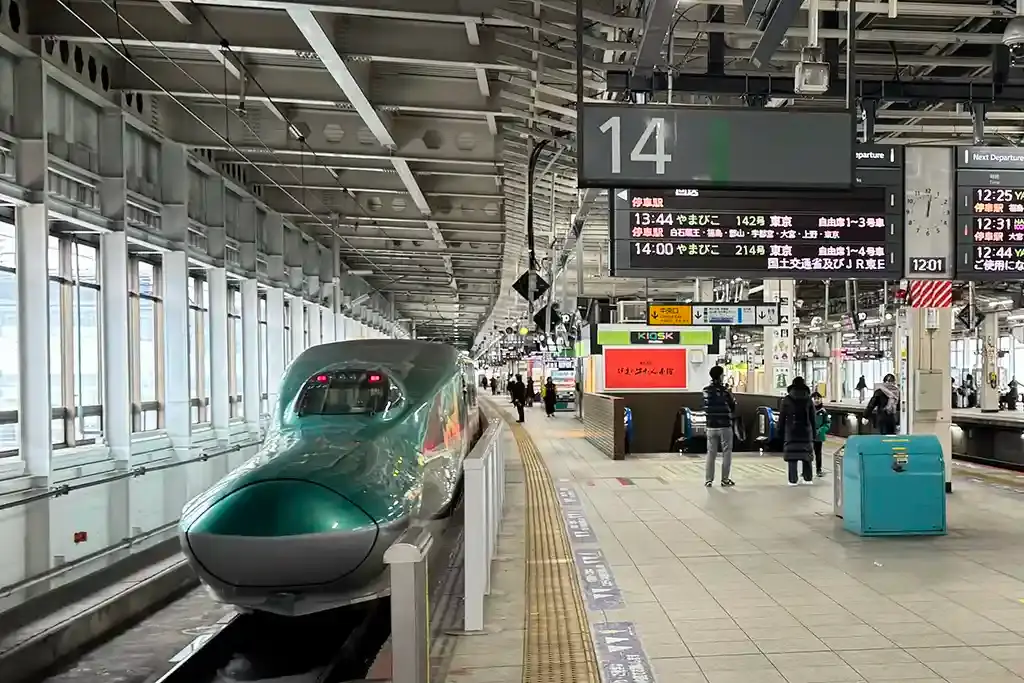
A missed train rarely starts at the platform. It starts at home, with a bag packed too late, a ticket buried in an app, a rideshare stuck outside the wrong entrance, and a traveler who thought “ten more minutes” would not matter. Smart Train Station Travel is not about rushing better; it is about removing the small frictions before they gang up on you. Across the United States, stations range from grand hubs like New York Penn Station and Chicago Union Station to small-town depots with one waiting room and a quiet platform, but the same truth holds in both places: the smoother departure belongs to the person who prepares before the station starts making decisions for them. A little planning also helps when you are comparing routes, checking local updates, or reading a trusted travel planning resource before a trip. Easier departures come from treating the station like part of the journey, not a doorway you sprint through at the last second. That mindset changes everything.
Timing Your Arrival Without Losing Half the Day
Most travelers think station timing means arriving early. That is only half right. Arriving early enough matters, but arriving with a purpose matters more because a train station can quietly eat time through parking, ticket checks, platform changes, restroom lines, coffee stops, elevator waits, and security-style screening in larger terminals. The goal is not to camp in the waiting area. The goal is to build a buffer that protects your departure without turning the trip into a long afternoon of sitting under fluorescent lights.
How early should you arrive at a train station?
The safest answer depends on the station, the train type, and your comfort level with uncertainty. For most U.S. intercity trips, arriving 30 to 45 minutes early gives you room to park, find the track, check a bag where available, and settle your nerves. Large stations demand more time because the building itself becomes part of the trip. A five-minute walk can become fifteen when escalators are down or crowds pool near departure boards.
Smaller stations can trick you in the opposite direction. You see an open platform and assume you can cut it close, then the parking lot fills or the ticket machine rejects a card. Easier departures happen when you respect small stations too. Quiet does not always mean simple.
The better habit is to work backward from boarding, not departure. If your train leaves at 9:20, you should not plan to enter the building at 9:15. Plan for the time you want to be calm, standing where you need to stand, with your ticket ready and your bag already handled.
Why your “station buffer” should match the city
A station in a dense downtown works on different rules than a suburban stop near a commuter lot. In Washington, Boston, Los Angeles, or Philadelphia, the hardest part may be getting to the correct entrance, especially during rush hour or bad weather. In a smaller city, the snag may be a closed ticket window, limited rideshare pickup space, or one elevator serving passengers with luggage.
Station boarding tips should always start with the neighborhood around the building. A traveler leaving from Chicago Union Station during evening rush needs a wider buffer than someone boarding at a quiet Sunday-morning stop in a smaller town. The train may follow a schedule, but streets, parking, and crowds do not behave like printed timetables.
A counterintuitive move helps: add time before you enter the station, not after. Ten extra minutes in the rideshare, parking garage, or curb lane often matter more than ten extra minutes inside the concourse. That is where trips bend out of shape.
Reading the Station Before It Reads You
After timing comes orientation. A train station rewards the person who looks up, slows down, and studies the room before joining the nearest line. Many travelers lose control because they enter with airport habits, bus station habits, or pure panic. Rail travel has its own rhythm, and the first five minutes inside the building decide whether you move with it or fight it.
How to find the right platform without wandering
Departure boards deserve your first attention, but they should not be your only source. Apps can lag, boards can update late, and platform assignments can shift when equipment changes. The smartest habit is to compare what your ticket says with the live station board, then listen for announcements without letting them become background noise.
Large U.S. stations often post tracks close to boarding time, which makes people crowd near the screen like they are waiting for lottery numbers. That crowd is not always useful. Stand where you can see the board, but stay out of the crush. When the track appears, you will move faster if you are not boxed in by travelers who are still reading their tickets.
Train departure planning gets easier when you learn station zones before travel day. Many stations have upper and lower concourses, regional and long-distance areas, or separate doors for certain carriers. A two-minute look at a station map can spare you from dragging a suitcase across the wrong level while your train begins boarding.
What signs and announcements actually tell you
Station signs are more helpful when you know what they are not saying. A sign that points to “Tracks 1–8” may not mean your train is ready. A board that says “On Time” may not mean boarding has started. An announcement that names the final destination may not name every stop you care about. You need to connect all three: train number, destination, and departure time.
Amtrak station tips matter here because many long-distance trains share platforms with regional services in busy areas. A train to the same city may not be your train. The number on the ticket protects you from stepping toward the wrong line when two routes sound alike.
The small discipline is this: match the train number before you follow the crowd. Crowds can be confident and wrong. Your ticket is less dramatic, but it tells the truth.
Packing and Ticket Habits That Prevent Platform Panic
Once you know when to arrive and how to read the room, the next source of stress is your own gear. Bags, tickets, chargers, snacks, coats, and IDs seem harmless at home. At the station, they become a system. A messy system makes you slower at every checkpoint, doorway, escalator, and seat row.
What should stay within reach before boarding?
Your ticket, photo ID, phone, wallet, charger, and any medication should live in one reachable place. Not “somewhere in the backpack.” Not under a sweater inside a tote. One place. Train stations expose every lazy packing choice because you may need the same item three times before you sit down.
A good departure pouch or front pocket changes the whole mood of the trip. You stop digging. You stop setting bags on dirty floors. You stop holding up the line while your phone screen dims at the worst possible moment. The pouch does not need to be fancy; it needs to be predictable.
Station boarding tips also include food and drink timing. Buy water before the platform gets busy, but avoid opening snacks while you are still managing bags. The person balancing a coffee, a phone, a roller bag, and a paper ticket is one bump away from a bad morning.
How to pack for stairs, escalators, and narrow aisles
American train stations are not all built for graceful luggage movement. Some older depots have tight stairs. Some platforms require elevators that gather a line fast. Some trains have narrow boarding doors and overhead racks that punish overpacked bags. The best bag is not the largest one allowed; it is the one you can control while tired.
Rolling luggage works well on smooth concourses, but backpacks win on stairs and crowded platforms. Families should divide weight by task, not by ownership. One adult handles documents and tickets. Another handles the stroller or largest bag. Kids old enough to carry a small backpack should carry only what they can manage without slowing the group.
Easier departures often come from removing one item, not adding another. A second loose tote may feel useful at home, then become the bag that keeps sliding off your shoulder while you scan the board. Pack so your hands can solve problems.
Moving Through Boarding With Less Stress
The final stretch before departure has a strange energy. Everyone knows the train is near, yet few people know exactly what to do. Lines form in odd places. People rush even when boarding has not started. A calm traveler does not move slowly; they move in the right order.
How to board without blocking yourself or others
Boarding begins before you step onto the train. Extend suitcase handles, zip open pockets, put your ticket where your hand can find it, and decide what will go overhead versus what will stay at your feet. These tiny choices keep you from becoming the person frozen in the aisle while everyone waits behind you.
Train departure planning should also include seat strategy. If your route has reserved seats, move directly to your car and seat without lingering near the doorway. If seating is open, avoid the first crowded car unless you need it for accessibility, quiet space, or family seating. People often stop too early because the first visible option feels safe.
Courtesy is not decoration at a station. It is traffic control. Step aside before checking your phone, keep bags close to your body, and let passengers exit before you push toward the door. The fastest boarding process is usually the least selfish one.
What to do when delays or changes happen
Delays feel worse when you treat them as personal attacks. They still frustrate people, and sometimes they wreck connections, but anger burns time without solving the problem. The better response is to confirm the new information, protect your next decision, and avoid joining a line unless that line can help you.
Start with official sources. Check the station board, carrier app, and staff announcements before believing a rumor from a stranger near the coffee stand. For Amtrak trips, the official site and app can help with train status, service alerts, and route details, while station staff can clarify what a screen cannot explain. Good Amtrak station tips are not about memorizing every rule; they are about knowing where trustworthy information lives.
A useful delay kit includes a charger, snack, light layer, and backup plan for pickup at the destination. That sounds plain until the train sits for an hour and your phone battery drops into single digits. Calm is easier when your basics are covered.
Conclusion
Better rail trips start before the train arrives, but they do not require a complicated ritual. They require honest timing, clean packing, a little station awareness, and the humility to admit that crowds, buildings, and transit systems do not bend around your schedule. The strongest Train Station Travel habit is simple: remove decisions from the busiest moments. Decide where your ticket lives. Decide when you will arrive. Decide how you will check the platform. Decide what you will do if the plan shifts. That preparation gives you back the one thing travelers lose first at a station: composure. The next time you book a rail trip in the U.S., spend ten minutes planning the departure instead of only dreaming about the destination. A smoother journey begins when you stop treating the station like an obstacle and start treating it like the first mile of the ride.
Frequently Asked Questions
What are the best train station travel tips for first-time riders?
Arrive early, keep your ticket and ID in one pocket, check the departure board before joining any line, and confirm your train number before boarding. First-time riders usually struggle less with the train itself and more with station timing, platform changes, and luggage handling.
How early should I arrive at an Amtrak station in the USA?
Most riders should arrive 30 to 45 minutes before departure, especially at larger stations or when checking bags. Smaller stations may require less time, but a safe buffer protects you from parking delays, ticket issues, restroom lines, and last-minute track updates.
What should I pack for easier departures at a train station?
Pack a charged phone, ticket, photo ID, wallet, charger, water, medication, and one easy-to-reach personal item. Keep valuables close and avoid carrying loose extras. A simple bag setup helps you move through stairs, platforms, and train aisles without slowing yourself down.
How do I find the right train platform quickly?
Check your ticket for the train number, then compare it with the station departure board. Listen for announcements and avoid following crowds without confirming details. Large stations may post platforms close to departure, so stay near the board without standing inside the crowd.
What are the most useful station boarding tips for families?
Assign roles before arriving: one adult handles tickets, another handles bags or children. Keep snacks, wipes, and small comfort items reachable. Families should arrive with extra time because elevators, restroom stops, and platform walks take longer when everyone moves together.
How can train departure planning reduce travel stress?
Planning turns rushed choices into calm actions. You know when to leave home, where to park or get dropped off, which entrance to use, and how to track your train. That structure keeps one small delay from knocking the whole departure off balance.
Are Amtrak station tips different from commuter rail advice?
Amtrak trips often involve longer routes, larger bags, assigned train numbers, and sometimes checked baggage, while commuter rail usually moves faster with fewer steps. Amtrak riders should pay closer attention to train numbers, boarding announcements, station services, and route-specific updates.
What should I do if my train platform changes before departure?
Confirm the change on the official board or through staff, then move with purpose rather than panic. Keep your ticket ready, avoid stopping in walkways, and follow signs to the new track. Platform changes feel stressful, but calm movement beats rushing blindly.