
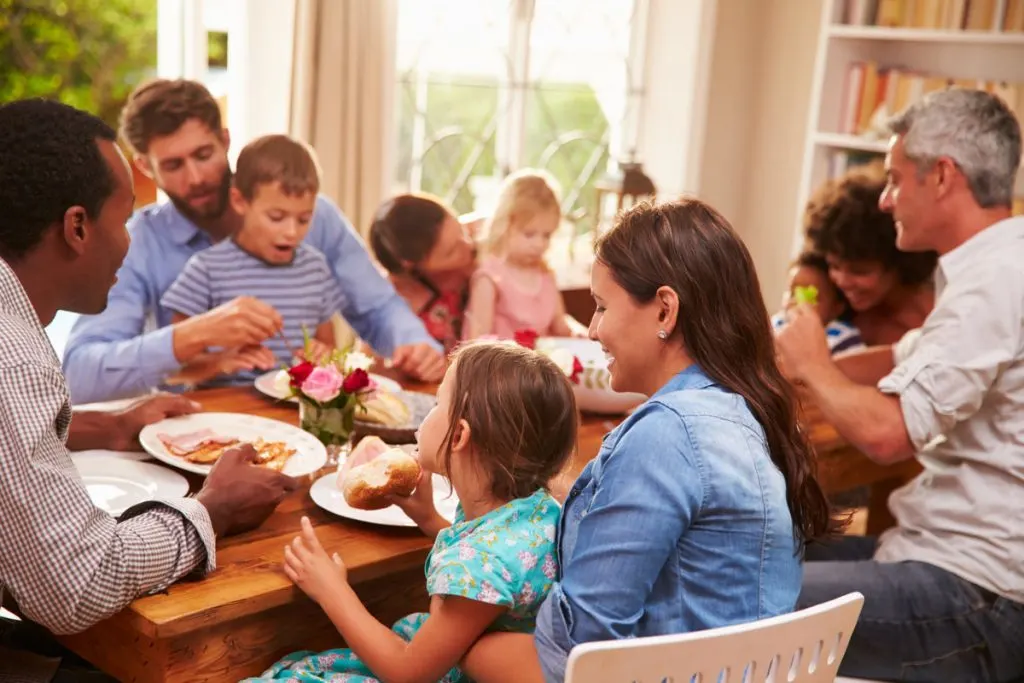
Dinner can turn tense before anyone even takes a bite. A crowded table, bad lighting, stiff chairs, scattered mail, loud screens, and the usual rush of American weeknights can make the meal feel like another chore instead of a reset. The best Dining Area Tips are not about buying a perfect table or copying a magazine room. They are about making the space easier to use, warmer to sit in, and calmer to return to after school, work, errands, traffic, and all the small fires that fill a normal day. A good dining setup tells people they are allowed to slow down. For families looking for practical home ideas, home-focused lifestyle resources can also help connect everyday routines with better spaces. The dining area does not need to impress guests first. It needs to serve the people who eat there on Tuesday night, when everyone is tired and nobody wants a complicated scene.
Build a Dining Space That Works Before It Looks Good
A dining area earns its place when people can move, sit, talk, serve, clean, and leave without friction. Many homes across the USA have dining spaces that look finished but feel awkward, especially in apartments, split-level houses, open kitchens, and suburban homes where the table becomes a homework desk, drop zone, and snack station. Beauty matters, but function sets the mood before style gets a chance.
How a family dining space changes the mood at dinner
A family dining space should lower the temperature of the day. That means people should not have to squeeze past chair backs, balance plates near clutter, or move five random objects before sitting down. The room starts speaking before anyone does, and a messy message invites short tempers.
Distance matters more than most people think. Chairs need enough room to slide back without scraping walls or bumping cabinets. A family in a small Boston apartment may do better with a round table near the kitchen wall than a long rectangle that blocks traffic. Space is not about square footage alone. It is about the path people take when they carry hot food, pour water, or help a child settle into a seat.
A family dining space also benefits from one clear rule: the table is not storage. Mail can live in a tray. School papers can land in a basket. Keys need a hook near the door, not a corner of the placemat. The table should look ready before the meal begins, because readiness changes behavior.
Why dinner table setup should feel easy to repeat
A dinner table setup fails when it depends on effort nobody has left by 6:30 p.m. The best setup is the one your household can repeat on a rushed Wednesday without turning dinner into a decorating project. That may mean stacked plates near the kitchen pass-through, napkins in a drawer beside the table, and water glasses within reach.
Small rituals help the room feel cared for without making it precious. A bowl of fruit, a low vase, or a clean runner can mark the table as a place to gather. Tall centerpieces often look nice until they block faces, and blocked faces kill conversation faster than a burnt side dish.
A dinner table setup should also match the way your household eats. If your family serves food from the stove, leave the table open. If you pass dishes around, keep the center clear enough for shared bowls. The wrong setup makes people perform around the table. The right one disappears into the meal.
Make Comfort the Quiet Host at the Table
Comfort does not announce itself. People notice it only when it is missing, which is why stiff chairs, harsh lights, cold floors, and echoing rooms can drain a meal without anyone naming the problem. A dining area should hold people long enough for conversation to warm up, not push them away the second plates are empty.
How dining room comfort keeps people seated longer
Dining room comfort begins with chairs that support real bodies. A chair that looks elegant but makes people shift every three minutes will not help dinner feel relaxed. In many American homes, the dining chairs were chosen as a set, not tested as seats. That is how families end up with a room that photographs better than it lives.
Seat height matters, and so does the relationship between chair and table. Knees should fit cleanly below the tabletop, and elbows should rest without shoulders rising. Cushions help, but only if they stay in place and clean up easily. Homes with kids may need wipeable covers, not delicate fabric that turns every spill into a family event.
Dining room comfort also comes from temperature and texture. A rug can soften sound and make a dining nook feel grounded, but it needs to handle crumbs and chair movement. Flat-weave rugs often work better than thick pile under a table. The goal is not luxury. The goal is ease that people can feel in their shoulders.
Why lighting can make or break family dinner ideas
Family dinner ideas often focus on food, but lighting shapes the whole scene. Bright ceiling light can make dinner feel like a cafeteria. A room that is too dim makes people squint at plates and miss the small expressions that carry real conversation.
Layered light works better than one overhead blast. A pendant over the table, a dimmable bulb, or a nearby lamp can make the table feel separate from the rush of the kitchen. In open-plan homes, this matters because the dining area often shares air with counters, dishes, and the glow of appliances.
Warm light also helps people settle. Cooler light can feel sharp after a long day, especially during winter evenings in places like Chicago, Denver, or Minneapolis. One small change, such as swapping bulbs or adding a dimmer, can shift the room from task mode to meal mode. That is a quiet win.
Protect the Meal From the Noise Around It
The modern dining area competes with phones, TV sound, kitchen clutter, delivery bags, homework, sports schedules, and the mental noise everyone brings home. A better meal does not need silence, but it does need a boundary. Without one, the table becomes another surface in a busy house instead of a shared pause.
How to design a family meal routine that survives busy nights
A family meal routine should be simple enough to survive soccer practice, late shifts, and grocery delays. The goal is not a perfect dinner every night. The goal is a repeatable signal that says, “We are here now.” That signal may be lighting a small candle, placing phones in a bowl, or having the same person pour water.
Consistency beats ceremony. A household in Phoenix with two working parents may only have twenty minutes together, but those twenty minutes can still feel different from eating over the sink. Set the table in a way that marks the moment, even if dinner is tacos from a foil tray.
A family meal routine also needs an exit plan. Cleanup should not punish the person who cooked or the person who arrived home last. Assign one small job per person, such as clearing plates, wiping the table, or packing leftovers. Meals feel warmer when nobody silently inherits the mess.
Why screens should not run the room
Screens change the dining area from a shared space into a row of private islands. Phones on the table pull eyes down, and television pulls attention sideways. The meal may still happen, but the room loses its center.
A strict ban can backfire in some homes, especially with teenagers. A better rule is often physical and plain: screens charge outside the dining area during dinner. No speech. No moral lecture. The space handles the rule so parents do not have to repeat it every night.
Background sound deserves the same attention. Music can help if it stays low and does not compete with voices. News, reels, and loud videos bring the outside world straight into the room. Dinner already has enough pressure. The table should not host every alert in America.
Shape the Room Around Real People, Not Perfect Moments
A dining area works best when it accepts the truth of the household using it. Toddlers spill milk. Teens talk more after the first ten minutes than during the first two. Grandparents need stable chairs. Guests place bags in inconvenient spots. A room designed for real people gives everyone fewer reasons to feel awkward.
How flexible seating helps different ages feel welcome
Flexible seating can solve problems before they turn into complaints. A bench may help young kids slide in easily, while chairs with arms may help older relatives feel steady. Mixed seating can look personal instead of mismatched when the table has one strong anchor, such as a shared wood tone or simple place settings.
American households often host in waves. A dining area may serve four people most nights and ten people on Thanksgiving. Folding chairs can work, but they should not feel like punishment seats. Store decent extras nearby, and test them before guests arrive.
Place the most comfortable seats where people linger. A grandparent should not sit where traffic bumps the chair. A child who needs help should sit near the adult most likely to help. Seating is not politics when done well. It is care disguised as planning.
What small details make guests and kids relax
Small details carry more emotional weight than expensive furniture. A stack of cloth napkins, a water pitcher, a child-safe cup, or a small basket for extra forks can prevent constant interruptions. Nobody wants to get up six times during one meal.
Kids relax when the space gives them a role. Let them place napkins, choose placemats, or carry bread to the table. Participation changes how they treat the meal because the table feels partly theirs. That matters more than another lecture about manners.
Guests relax when the room tells them what to do. Clear places for coats, bags, drinks, and serving dishes keep people from hovering in doorways. A host who has to explain every move creates tension without meaning to. A thoughtful room answers before anyone asks.
Keep the Dining Area Ready for the Life You Have
The strongest Dining Area Tips come down to one honest idea: make the table easy to return to. A room that asks for too much effort will slowly lose its role, no matter how pretty it looked on the day you arranged it. A room that supports movement, comfort, conversation, cleanup, and real schedules will keep pulling people back. That is where better meals begin. Not with perfect food. Not with matching chairs. Not with a staged centerpiece nobody can see around. Start with one change tonight. Clear the table fully, soften the light, put phones somewhere else, and sit down before the meal cools. The dining area you build through small choices will teach your household what kind of time matters most.
Frequently Asked Questions
How can I make a small dining area better for daily meals?
Choose a table shape that protects walking paths, keep the surface clear between meals, and store dining items close to where you use them. A round or drop-leaf table often works well in apartments and smaller homes because it reduces sharp corners and wasted space.
What are the best family dinner ideas for busy weeknights?
Pick meals that can be served in one pan, bowl, or tray, then focus on the sitting-down part. Pasta, tacos, rice bowls, soup, and breakfast-for-dinner all work because they reduce cleanup and give people more time together at the table.
How do I create a family dining space in an open kitchen?
Use lighting, a rug, or a centered table arrangement to give the dining zone its own identity. Open kitchens can feel busy, so the table needs a visual boundary that separates eating from cooking, cleaning, and household traffic.
What dinner table setup works best with kids?
Use wipeable placemats, sturdy cups, low centerpieces, and easy-to-reach napkins. Kids do better when the table feels safe and predictable. Give them one small setup job so they feel included before the meal begins.
How can dining room comfort improve conversations?
Comfort helps people stay seated without fidgeting, rushing, or looking for an escape. Supportive chairs, warm lighting, manageable noise, and enough elbow room give conversations time to open up instead of forcing everyone through a quick meal.
What should I remove from my dining table before meals?
Remove mail, school papers, laptops, chargers, toys, and anything unrelated to eating or conversation. The table should not feel like a storage zone. A clear surface sends a strong message that the meal deserves attention.
How can I build a family meal routine without making it strict?
Choose one or two repeatable habits, such as setting phones aside, pouring water first, or asking one simple question at the table. Keep the routine light enough that people accept it even on tired nights.
What lighting is best for a cozy dining room?
Warm, soft lighting works best because it flatters the room and calms the mood. A dimmable pendant, shaded lamp, or warm bulb can make dinner feel more settled than a bright overhead fixture alone.