
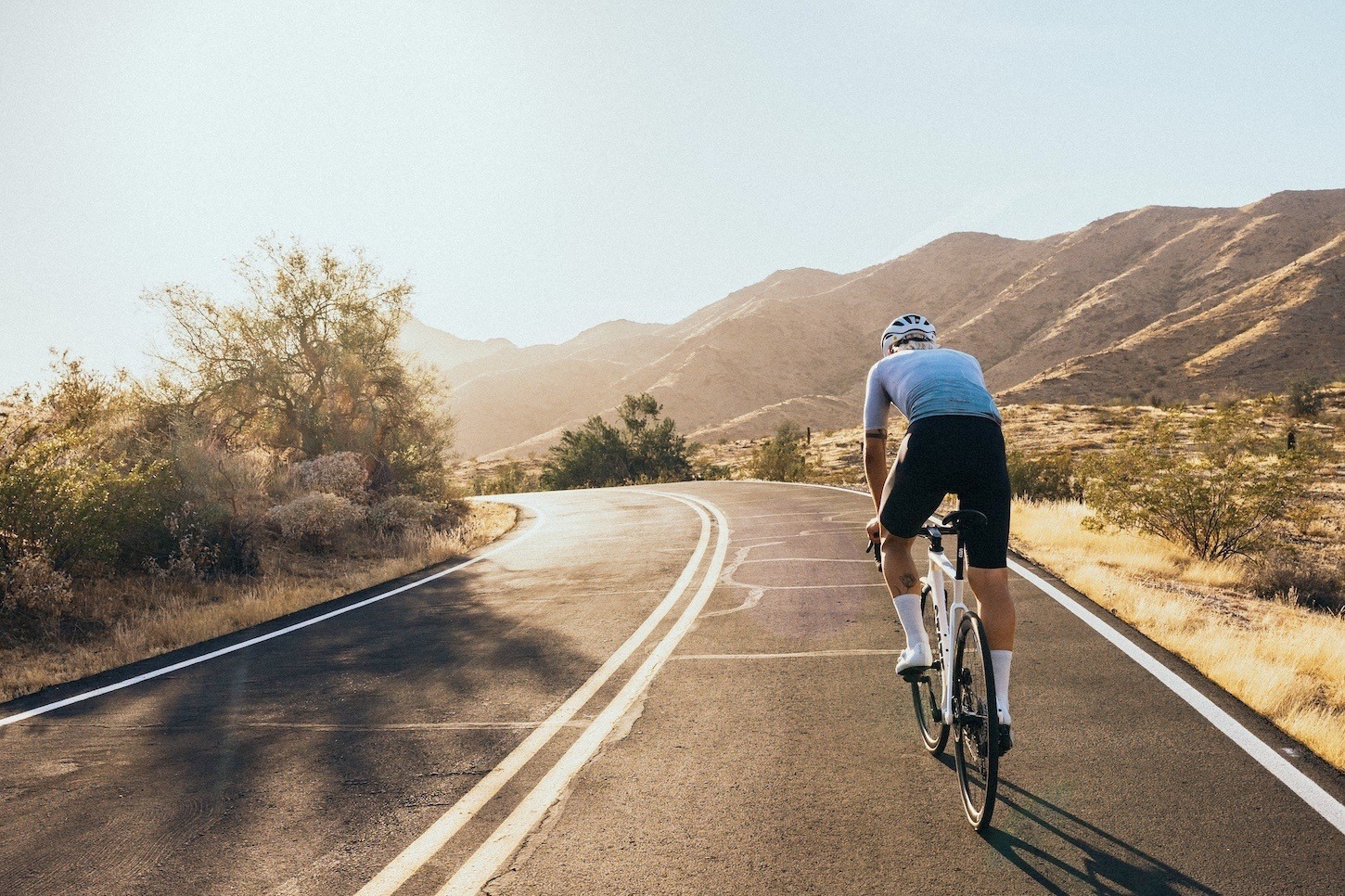
Some bikes get attention because they are fast on paper. Others catch fire because riders can see themselves on them before they ever clip in. That is the pull behind the Anchor E2 Carbon Road Bike chatter: the customization angle makes a performance purchase feel personal, not cold. For U.S. cyclists watching stock alerts, build photos, and shop updates, the question is not only whether this model is available. It is whether the buzz points to a smarter way to buy a serious road machine. A lighter frame, cleaner fit, and parts that match your riding style can matter more than chasing the loudest brand name. The risk, though, is easy to miss. Hype can make a bike feel rare before a rider has checked sizing, service support, warranty terms, or the parts that shape the ride. A custom road bike can be a brilliant buy when the choices solve real problems. It can also become an expensive poster if the choices were made for photos instead of miles.
Why This Carbon Road Bike Story Took Off
The first reason this story moved fast is simple: riders like control. A standard showroom bike can feel distant, even when the frame is good. You get the color, cockpit, gearing, wheels, and trim level someone else picked months ago. Customization changes that feeling. It turns the buying process into a build process, and that is powerful for cyclists who care about small differences.
Scarcity feels different when the bike feels personal
A normal sellout story says, “This bike is hard to find.” A customization-driven sellout says, “The version you would have built may disappear.” That feels sharper. It is not only stock pressure. It is identity pressure.
You see this often in U.S. cycling circles. A rider in Denver wants a climbing setup with compact gearing and shallow wheels. A rider in Florida may care more about aero bars, deeper rims, and a tire setup that rolls well on fast group rides. Both may look at the same frame, but they are not shopping for the same bike. Bike customization lets each buyer picture a finished ride that fits a local route, not a catalog page.
The non-obvious part is that scarcity can become more emotional when choices are wider. More options should make buyers calmer. In practice, it can do the opposite. When color, fit, and parts are tied to limited availability, riders start to worry that waiting means losing their exact build. That is why online chatter can turn into fast checkout behavior.
The smarter buyers are checking fit before color
Paint gets shared first. Fit gets remembered longer. A sharp frame color may earn comments outside a coffee shop, but reach, stack, saddle height, bar width, and crank length decide whether you enjoy the ride after mile forty.
A lightweight racing bike with the wrong cockpit can feel nervous on broken pavement. A frame that looks perfect in photos can become a shoulder ache machine if the rider copied a pro-style position without the flexibility to hold it. That is why experienced cyclists slow down at the point where newer buyers speed up. They ask boring questions. Boring saves money.
For example, a rider coming from an endurance aluminum bike should not assume a racier frame will feel better only because it is lighter. The front end may sit lower. The handling may respond faster. The saddle-to-bar drop may be harder to live with on longer rides. That does not make the bike wrong. It means the build has to match the body that will ride it.
The Custom Feature Matters More Than the Paint
The viral piece may look like a design story, but the deeper issue is fit for purpose. A custom road bike is not valuable because it is different. It is valuable when the differences have a job. That is where many buyers need to separate taste from function.
Bike customization works when choices solve ride problems
Good bike customization starts with where and how you ride. Do you spend most weekends on rolling suburban roads? Do you climb long grades? Do you ride chipseal, city streets, or smooth park loops? The answer should shape tires, wheels, gears, and touchpoints before it shapes the final color.
A rider in Austin may want gearing that handles punchy climbs without punishing fast flats. A rider in Chicago may care about stable handling in wind and a tire width that takes the sting out of cracked roads. A rider in Southern California may want a setup that moves from canyon climbs to fast coastal miles without feeling split between two jobs.
This is where the feature has real value. It gives the rider a chance to avoid the common upgrade trap. Many people buy a stock bike, then replace the saddle, stem, tires, bars, and wheels within six months. That second round can cost more than expected. A better first build can save both cash and frustration.
A custom road bike still has to survive boring weekday miles
The internet loves dream builds. Real riders live with maintenance. Hidden cables look clean, but they can add shop time. Deep wheels look fast, but they may feel twitchy on gusty routes. A narrow race saddle may fit one rider and punish another.
That is why a custom road bike should be judged by the dull parts too. Can your local shop service the brakes without special drama? Are replacement derailleur hangers easy to find? Does the seatpost use a common shape? Are the wheels built around parts that can be repaired without a long wait?
Here is the counterintuitive truth: the best custom choice is sometimes the less exciting one. A slightly wider tire, a proven drivetrain, and a practical wheel depth may create a faster real-world bike than the flashiest setup. Speed is not only weight. It is confidence, comfort, and the ability to ride more often without fighting the machine.
For readers comparing this kind of build against other options, road cycling gear guides can help sort parts that matter from parts that mostly photograph well.
What U.S. Riders Should Check Before Chasing a Sellout
A sellout headline can make every decision feel urgent. That is dangerous. Good bikes deserve calm buying. The faster the hype moves, the more you need a short checklist that protects you from an expensive mistake.
Warranty, safety, and service should come before the checkout button
Carbon frames are not fragile toys, but they do ask for respect. Torque settings matter. Crash inspection matters. Correct assembly matters. If a bike is sold through a route with weak support, the savings or exclusivity can vanish the first time something creaks, slips, or needs adjustment.
U.S. riders should also remember that road use brings legal and safety duties, not only performance goals. The NHTSA bicycle safety guidance notes that many states treat bicycles as vehicles on the road, which means riders are expected to follow the same road rules. That matters when a faster setup pushes you into higher speeds on shared streets.
Ask plain questions before buying. Who handles warranty claims? What happens if the frame arrives damaged? Are brakes and shifting assembled by a trained mechanic? Does the seller recommend a post-delivery inspection? If the answers feel vague, pause.
A lightweight racing bike can make you want to ride harder. It should also make you more serious about safe setup. Fast bikes do not forgive loose bolts, poor brake bedding, worn tires, or a position that makes you tense in traffic.
The parts list can tell you more than the viral clip
A flashy photo can hide a weak build. The parts list tells a calmer story. Look at the drivetrain tier, brake type, wheel weight, tire clearance, bar shape, saddle, and gearing range. These details affect every ride.
For many U.S. riders, tire clearance deserves extra attention. Wider road tires have become common because they can add comfort and grip without making the bike feel lazy. On rougher local pavement, that can matter more than saving a few grams. The best build is not always the one that looks closest to a race team bike.
A common example: a rider sees a sleek setup with deep wheels and aggressive gearing, then orders something similar for mixed weekend riding. The bike feels fast on smooth roads but harsh on patched streets. After a few weeks, the rider swaps tires, changes cassette range, and shortens the stem. The lesson is not that the original setup was bad. It was built for a different rider.
This is why bike buying advice for U.S. riders should start with use case, not brand heat. Hype can point you toward a model. It should not pick the build for you.
How the Hype Fits Real Weekend Riding
Once the noise fades, the bike has to live outside the screen. It has to climb, sprint, corner, stop, and carry you through days when your legs are average. That is where a viral customization story either holds up or falls apart.
A lightweight racing bike should feel quick without feeling nervous
Weight matters, but only inside a bigger picture. A lighter frame can help on climbs and repeated accelerations. It can make the bike feel alive when you stand on the pedals. Still, a good road machine needs balance. Too sharp, and it feels tiring. Too soft, and it loses the snap riders pay for.
A lightweight racing bike should give you speed without making every descent feel like a test. It should hold a line through a rough corner. It should feel calm when a pickup passes too close on a county road. It should respond when you push, then settle when you need control.
The quiet insight here is that comfort can make a bike faster for regular riders. If your hands hurt after ninety minutes, you stop riding hard. If your neck locks up, you avoid longer routes. If the frame and fit let you stay relaxed, you put out steadier power. That kind of speed does not show up in a launch caption, but it shows up on the road.
Viral demand is useful only if it leads to a better ride
Demand can be a signal. It can mean riders noticed something worth discussing. It can also mean a product hit the right social moment. The difference matters.
The best way to read the buzz is to ask what problem the bike appears to solve. Does the customization feature help more riders get a fit they would otherwise pay to change later? Does it make premium road buying less cookie-cutter? Does it create better choices for riders who fall between standard sizes or stock builds?
That is the real promise. Not that every buyer needs this exact model. Not that every stock bike is a compromise. The bigger lesson is that cyclists are tired of paying serious money for someone else’s ideal setup. They want more say at the start.
For shops, that shift matters too. A local bike shop that helps riders choose bar width, stem length, tire size, and gearing can turn online hype into a better ownership experience. For buyers, the best outcome is not owning the bike everyone shared. It is owning the one that feels right after the first month, the first tune-up, and the first long ride that did not go as planned.
Conclusion
The rush around the Anchor E2 story says more about modern road-bike buyers than one headline can hold. Riders want speed, but they also want a machine that feels chosen, not assigned. That is why customization has become such a strong hook. It gives buyers a sense of ownership before the first pedal stroke.
Still, smart buying means slowing down while everyone else speeds up. A carbon road bike can be a strong investment when the frame, fit, parts, and support match your riding life. It can disappoint when the purchase is built around scarcity alone. The best move is to treat the buzz as a doorway, not a verdict.
Check fit. Read the parts list. Ask who services it. Think about your roads, your body, and your riding habits. Then decide whether the build earns your money. If the answer is yes, move with confidence. If the answer is no, let the sellout pass. The right bike should make you ride more, not shop harder.
Frequently Asked Questions
How much should I care about customization on a road bike?
Care about it when it changes comfort, fit, gearing, wheels, or contact points. Color is fun, but fit choices matter more. A better stem length, bar width, tire size, or cassette range can change how the bike feels on every ride.
Is a custom road bike worth the extra money?
It can be worth it when the build prevents early upgrades. If you would replace the saddle, tires, wheels, or cockpit on a stock model, a better starting setup may save money. The value drops when customization is mostly cosmetic.
What should I check before buying a bike that is selling out?
Start with frame size, warranty coverage, return policy, service options, and parts availability. Then check the drivetrain, brakes, wheels, tire clearance, and fit details. A rushed purchase can feel exciting for one day and wrong for years.
Does a lighter road bike make a big difference?
Weight helps most on climbs, repeated accelerations, and long rides with elevation. It matters less on flat routes than position, tires, wheels, and fitness. A slightly heavier bike that fits well can feel faster than a lighter one that hurts.
What size road bike should I buy online?
Use the brand’s geometry chart, not only your height. Compare stack, reach, standover, and effective top tube to a bike you already know. When possible, ask a fitter or local shop before ordering, especially between two sizes.
Are carbon frames safe for daily riding?
Yes, when properly made, assembled, maintained, and inspected after crashes. Use a torque wrench where needed, avoid clamping the frame incorrectly, and check damage after impacts. Carbon rewards careful ownership, not fear.
What upgrades matter most on a road bike?
Tires, fit parts, saddle, wheels, and gearing often bring the biggest real-world gains. Start with comfort and control before chasing weight. A bike that fits well lets you ride harder, longer, and more often.
Should I wait if the model I want is out of stock?
Wait if the size, build, or warranty support is not right. Do not buy the wrong setup because stock is limited. A good road bike should match your riding for years, so patience often beats panic buying.