
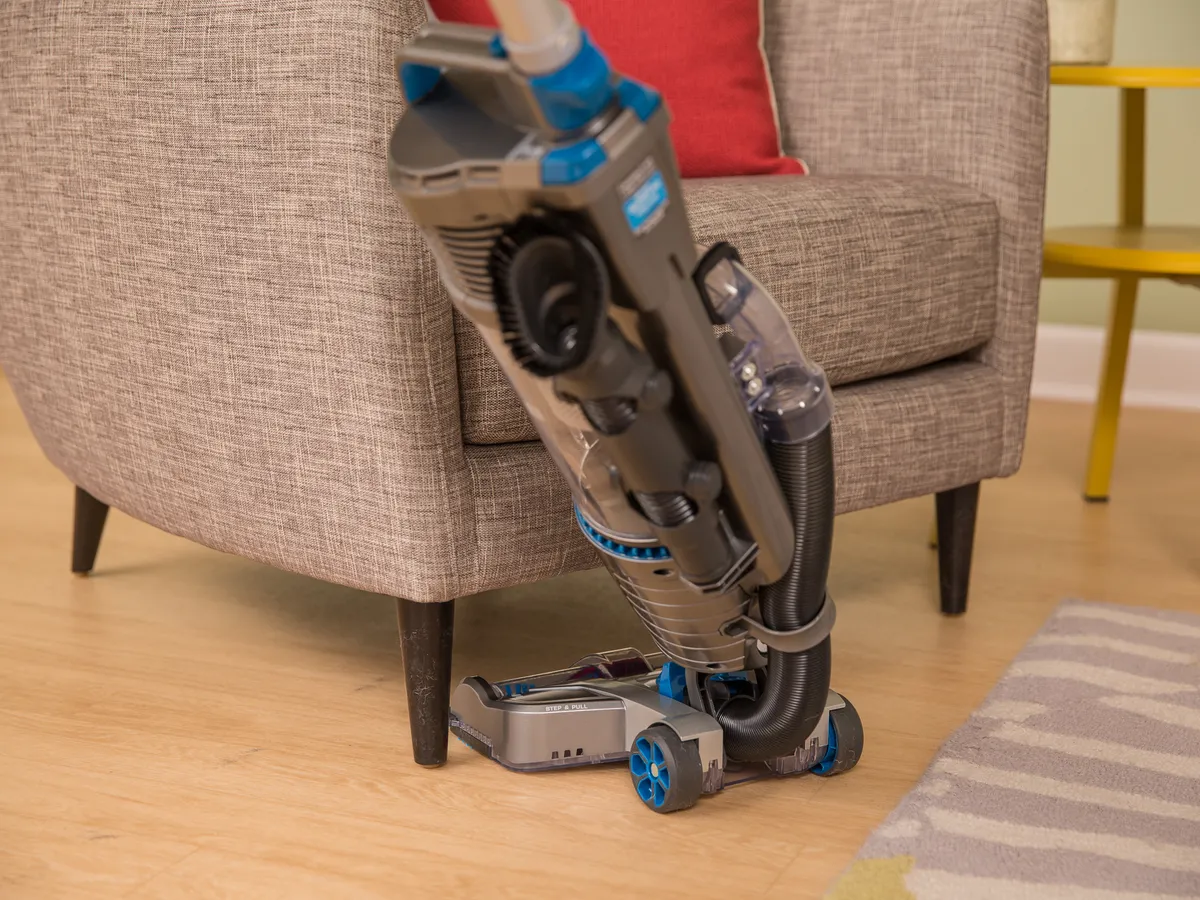
A vacuum deal gets interesting only when the machine solves a real floor problem. The Hoover WindTunnel Max matters right now because many U.S. shoppers want a full-size cleaner without paying cordless-stick prices. It sits in that practical middle lane: strong carpet pickup, a bagless dirt cup, a familiar upright shape, and fewer fancy extras to inflate the bill. For families watching sale pages, renters cleaning wall-to-wall carpet before move-out, and pet owners tired of weak suction, this kind of markdown can feel useful instead of loud. That is why deal-focused shoppers often track trusted consumer coverage through smart home buying updates before a sale disappears.
The catch is simple. A low price does not make every vacuum a smart buy. You still need to know what this upright does well, where it asks for patience, and whether a corded vacuum cleaner fits your home better than a lighter cordless model. A record-low tag should start the question, not end it.
Why Hoover WindTunnel Max Is Getting Attention Again
Older upright vacuums have a strange way of coming back into the conversation. When prices drop, shoppers remember why full-size machines never fully left. They may not look sleek on a TikTok shelf, but they can still make sense in homes with carpet, pets, kids, and heavy weekly messes.
The price story matters because vacuum fatigue is real
Plenty of buyers are tired of paying premium prices for machines that need constant charging, small-bin emptying, or expensive accessories. A bagless upright vacuum with a sale price speaks to a different kind of buyer. This person wants a machine that can run through the living room, hallway, bedrooms, and stairs without battery math.
That is the hidden appeal here. A corded vacuum cleaner does not ask whether you remembered to dock it. It asks whether an outlet is nearby. In a two-bedroom apartment in Ohio or a carpeted rental house in Texas, that can be enough.
The non-obvious part is that older design can become a feature during a sale. No app. No laser. No dock that needs its own corner. You get a machine that plugs in, pulls dirt from carpet, and empties into a cup. For many homes, that plainness feels like relief.
Bagless design changes the long-term cost picture
The bagless setup is a major reason shoppers notice this Hoover vacuum deal. Replacement bags can feel small at checkout, then annoying six months later. A dirt cup does not erase maintenance, but it does remove one repeat purchase from the routine.
That does not mean bagless is always cleaner or easier. Emptying a cup can release dust if you rush it. The better habit is to carry the cup low into the trash, empty it slowly, and rinse washable parts only when the manual allows it. Simple, but many people skip it.
A good example is a home with two shedding dogs and medium-pile carpet. The vacuum may pick up hair well, but the cup fills faster than expected. That is not failure. It is proof that the machine is pulling up what the old cleaner left behind. The trick is treating the dirt cup as part of cleaning, not an afterthought.
What Buyers Should Know Before Chasing the Hoover WindTunnel Max Deal
A discount can blur judgment. The lower the price drops, the easier it is to ignore fit, weight, storage, and floor type. That is where buyers need to slow down. The right vacuum should match the home, not the headline.
It makes the most sense for carpet-heavy homes
This kind of upright is most at home on carpeted rooms, rugs, and high-traffic areas where grit settles deep. If your home has kids tracking in playground dust or shoes crossing a front entry rug, a full-size upright can feel more serious than a small stick vacuum.
Listings for related WindTunnel Max bagless models point to a multi-cyclonic design and a 13-inch cleaning path, while older retail pages describe the line around multiple suction channels and cyclones that separate dirt before it reaches the filter. Those details matter because they explain the machine’s basic promise: pull debris up, separate it, and keep moving across wide floor space.
The tradeoff is movement. Full-size uprights can feel stiff around chair legs, tight bedrooms, and crowded apartments. That does not kill the value, but it should shape expectations. If your home is mostly hard floor with narrow furniture gaps, a lighter secondary tool may still earn a place in the closet.
Corded power helps, but cord management still matters
A corded vacuum cleaner gives steady run time. That sounds boring until you have cleaned half a house and watched a cordless battery fade. For weekly cleaning, steady power can beat convenience.
Still, cords create their own friction. You move from outlet to outlet. You loop the cord behind furniture. You learn which rooms can be cleaned from one plug and which need a reset. That rhythm is normal with uprights, but it can bother people used to cordless machines.
The best way to judge this deal is to picture your own cleaning route. Start at the far bedroom, cross the hall, hit the living room, then finish by the entry. If that route sounds manageable with two or three outlet changes, the sale makes more sense. If it sounds annoying before you even begin, the price may not rescue the purchase.
Where This Vacuum Fits in a Real American Home
The strongest argument for this machine is not that it beats every premium vacuum. It does not need to. Its better argument is that many homes do not need a luxury floor-care system. They need reliable suction at a sane price.
Pet hair, crumbs, and everyday grit are the real test
Marketing often makes vacuum shopping sound cleaner than it is. Real homes have cereal under the table, dog hair on the hallway rug, pine needles near the front door, and dust along baseboards. That is the world a bagless upright vacuum has to survive.
For a family in a suburban split-level, the main win is routine. Vacuum the den twice a week, run the hallway after school traffic, and use attachments for edges before dust turns into gray lines. A sale-priced upright can become the machine you reach for because it is already built for the ugly work.
The counterintuitive insight: the best deal may be the vacuum you are willing to use often. A lighter, prettier model that stays in the closet loses to a louder upright that gets dragged out every Saturday morning. Cleaning results come from habits as much as hardware.
Allergy-minded buyers should look beyond suction claims
Suction matters, but air matters too. The EPA advises that a vacuum with a HEPA filter can help reduce dust buildup and keep some vacuumed dust from escaping back into the room. Its indoor air guidance also reminds people with asthma or allergies to avoid breathing dust stirred up during cleaning. EPA indoor particulate matter guidance
That does not mean every vacuum with filter language performs the same. Seal quality, filter care, and emptying habits all affect the result. If you dump the dirt cup indoors and slap a dusty filter back in place, you lose part of the benefit.
For allergy-sensitive households, the smart move is boring but effective: clean filters on schedule, empty the cup outdoors when possible, and vacuum before dust becomes visible. A Hoover vacuum deal can help with the budget, but maintenance protects the value.
How to Decide Before the Sale Ends
The final choice should not be emotional. A record-low price creates urgency, but the better buyer asks three plain questions: Will it fit my floors, will I maintain it, and will I use it enough to matter?
Compare it against what you already own
Before buying, look at your current vacuum like an editor. Where does it fail? Weak carpet pickup? Tiny bin? Dead battery? Bad hose reach? Heavy stairs? The answer tells you whether this upright solves a real problem or adds another machine to the closet.
If your cordless vacuum works well on hard floors but struggles on rugs, this Hoover can make sense as the heavy-duty cleaner. If your old upright already works and only needs a belt or filter, fixing it may be cheaper. That answer is not exciting, but it is honest.
A smart comparison also includes storage. Uprights need vertical space. They are not invisible. In a small apartment, the right cleaning tool is partly the one you can store without hating it every time you open the closet.
Check seller details before you trust the record-low tag
Deal pages can move fast, and product names can blur across similar Hoover models. Some listings point to commercial-style versions, while older reviews and retailer pages may refer to different WindTunnel Max model numbers. That makes seller detail checks worth the extra minute.
Look for the model number, return window, warranty language, included tools, condition, and shipping cost. A low shelf price can lose its shine if the seller has poor returns or if the model is not the one pictured. This is where patient buyers win.
Use home cleaning product comparisons and budget appliance buying guides to keep the decision grounded. The right Hoover vacuum deal should feel clear after those checks, not risky. If the details feel messy, wait for a cleaner listing.
Conclusion
A sale only matters when the product has a clear job. This upright has one: clean carpeted rooms, handle routine messes, and give budget-focused shoppers a full-size option without moving into premium pricing. That is why the Hoover WindTunnel Max deserves attention when it drops hard.
Still, the smartest buyer does not treat the discount as permission to skip homework. Check the model number, seller, return policy, tools, and filter setup. Think about your floors, your pets, your storage space, and how often you clean. A corded upright can be a strong choice when your home needs steady power more than sleek design.
The bigger lesson is simple. Buy the vacuum that fits the mess you actually have, not the one that looks best in an ad. If this deal matches your home, move with confidence.
Frequently Asked Questions
Is this Hoover vacuum worth buying at a record-low price?
Yes, if your home has carpet, rugs, pets, or weekly debris that a small cordless vacuum struggles to handle. The value is strongest when the seller is trusted, the model number is clear, and the return policy gives you room to test it.
What type of home is best for a bagless upright vacuum?
Carpet-heavy homes, rentals, family houses, and pet households often benefit most. A larger upright can cover wide rooms faster than a compact stick model. Smaller apartments can still use one, but storage and weight matter more there.
Does a corded vacuum cleaner clean better than a cordless one?
It can clean longer without power drop from a draining battery. That helps during whole-home cleaning. Cordless models are easier for quick pickup, but corded uprights often make more sense for deep carpet sessions and bigger weekly routines.
How should I check if the deal is legitimate?
Match the product name with the model number, read the seller rating, review the return window, and check whether tools are included. Also watch shipping fees. A low advertised price can become less attractive after add-ons.
Is bagless better than bagged for saving money?
Bagless can reduce repeat bag purchases, which helps over time. It still needs filter care and careful emptying. Bagged models may control dust better during disposal, so allergy-sensitive buyers should compare filtration and maintenance habits before choosing.
Can this kind of upright vacuum handle pet hair?
It can be a practical choice for pet hair on carpet and rugs, especially when used often. Hair can wrap around brush rolls, so regular cleaning matters. Pet owners should also empty the dirt cup before it gets packed tight.
What should I look for before buying a discounted Hoover upright?
Check model number, cleaning path, included attachments, filter type, warranty terms, and return policy. Also consider weight and cord length. A strong discount is helpful only when the machine matches your floors and storage space.
How often should I vacuum carpeted rooms?
High-traffic carpet often needs vacuuming at least weekly, and pet areas may need more. The better rule is visual and practical: clean before grit gets pressed deeper into fibers. Regular passes are easier than rescuing neglected carpet later.