
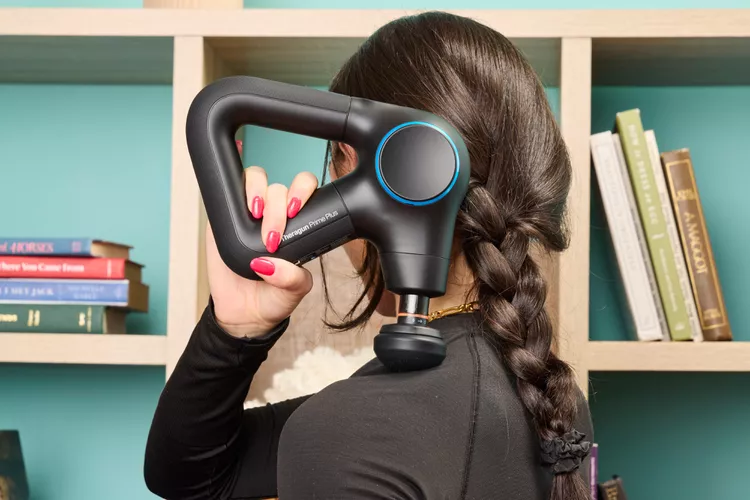
Sore shoulders do not wait for a spa appointment, and most people are not shopping for recovery gear because life feels calm. They are shopping because the back of the neck feels tight after eight hours at a laptop, the calves are barking after a Saturday run, or the lower back is stiff from yard work. That is why Theragun Relief catches attention when the price slides into clearance territory. It speaks to the buyer who wants a trusted handheld massager without paying for screens, app routines, or athlete-grade power they may never touch. For Americans watching household budgets, consumer deal coverage has become part of the buying process, not an afterthought. The appeal is plain: a named recovery brand, a lighter design, and a price low enough to make the purchase feel practical rather than indulgent. The smarter question is not whether a cheaper tag looks tempting. It is whether this percussion massage gun fits the way you will use it after the box is gone.
Why Theragun Relief Clearance Pricing Changes the Buying Math
Clearance pricing changes how people judge a wellness gadget. At full price, you may compare it against larger devices, app-connected models, and cheaper no-name options with long lists of claims. At a lower price, the frame shifts. The device no longer has to replace a professional massage or act like a gym trainer. It has to earn a spot in your living room, nightstand, or gym bag.
That shift matters because many buyers are not recovery hobbyists. They are regular people who want a sane answer to common soreness. When a device that often sits in the mid-priced wellness aisle drops closer to impulse-buy range, the buyer starts asking a better question: will I use this enough to feel the difference?
The catch is that lower pricing can make shoppers careless. A deal can feel like permission to skip the hard question: will this actually solve your problem? A household in Phoenix with two runners may need something different from a remote worker in Ohio who wants ten minutes of shoulder relief at night. Price matters, but fit matters more.
Why a lower price matters more than extra settings
Many shoppers assume more settings mean a better muscle recovery tool. That sounds logical until you watch how people use these devices at home. Most pick one speed, one attachment, and one routine after a few days. The feature list shrinks fast when the device lives next to the couch.
That is where an entry-level percussion massage gun can make sense. If the motor feels controlled, the grip is easy to manage, and the pressure does not punish sensitive areas, the missing extras may not hurt the experience. You are not buying a dashboard. You are buying a few minutes of relief that you will not avoid because the setup feels like a chore.
A lower price also lowers the emotional risk. Someone who has never owned a handheld massager may not know whether they like percussion therapy. Spending premium money on a high-power model can lead to buyer regret if the strongest modes feel harsh. A gentler device can be the better first step, especially for older adults, casual walkers, and office workers who want comfort rather than intensity.
What buyers should check before treating it like a deal
The first check is the price history you can see for yourself. A sale tag alone does not prove a rare discount. Look at the brand page, major retailers, and recent marketplace listings. If the price sits below the usual range and stock looks limited, then the clearance angle becomes more useful.
The second check is return policy. A massage gun is personal in a way many gadgets are not. Weight, handle angle, noise, and vibration feel different in your hand than they do on a product page. If your wrist gets tired after two minutes, or the lowest setting still feels too sharp, the discount stops mattering.
The third check is color and seller. Clearance prices sometimes apply to one finish, one retailer, or one batch of inventory. A navy model, a sand model, and a charcoal model may not carry the same markdown at the same time. That can be annoying, but it also gives patient shoppers room to compare without changing the device they plan to buy.
The fourth check is who will use it. A parent buying for a college athlete may care about power. A nurse coming off a long hospital shift may care more about reach and comfort. A retired golfer in Florida may want something easy to hold around the hips and forearms. The non-obvious truth is that the best clearance buy is often the one with fewer features, because fewer features can mean fewer reasons to quit using it.
How a Handheld Massager Fits Real American Routines
A device like this wins or loses in ordinary moments. It is not only for people with home gyms, marathon medals, or perfect recovery plans. It is for the person who wakes up stiff after sleeping wrong. It is for the delivery driver whose forearms tighten after a long route. It is for the homeowner who spends Sunday pulling weeds and feels it Monday morning.
That everyday angle matters because many recovery products fail from friction. They ask too much. They need an app, a charger you cannot find, a routine you forget, or a storage spot that makes them vanish in a closet. A handheld massager has a better chance when it is light enough to grab and simple enough to use without a second thought.
There is also a money angle that people do not always say out loud. One massage appointment can cost more than many sale-priced recovery devices. That does not make the device equal to a trained therapist, but it does change the home-care math. For mild tightness, owning a tool can keep you from ignoring your body until discomfort becomes part of the week.
Desk shoulders, driveway chores, and weekend recovery
American routines create a strange mix of stillness and strain. You may sit all day, then lift mulch bags, haul groceries, or chase kids around a park. The body does not always know what to do with that pattern. It gets tight in places that never feel “injured,” yet never feel loose either.
For that kind of soreness, short sessions can be more realistic than a full recovery ritual. Two minutes on the upper traps after a video-heavy workday. A slow pass over the calves after a neighborhood walk. Gentle pressure around the glutes after a long drive from Dallas to Austin. These are not dramatic moments, but they are the moments that decide whether the device earns its keep.
The counterintuitive part is that the best use may happen before pain feels loud. People often wait until a muscle screams. A lighter percussion massage gun may be better as a maintenance habit: small, regular, and calm. That does not make it medical treatment. It makes it a practical tool for soft tissue that feels overworked.
Why smaller power can be the smarter pick
Power sells. Comfort keeps. That gap explains why some shoppers buy heavy massage guns and then stop using them. A strong device can feel impressive for thirty seconds, then tiring, loud, or too aggressive for daily use.
A lighter handheld massager can work better for people who need control. If you are working around the shoulder blade, the forearm, or the outside of the hip, small shifts matter. A device that lets you ease into pressure can feel safer and more useful than one that turns every session into a test of pain tolerance.
This is where brand design matters more than raw numbers. A triangular grip, balanced body, and clear speed control can help you reach awkward spots without twisting your wrist. For a buyer comparing home recovery buying guides, that kind of comfort should rank near the top. Specs matter, but the device has to meet your hand before it can help your muscles.
A smaller device can also serve more people in one home. A serious lifter may want a stronger unit, but a spouse, parent, or teen athlete may prefer lower force. Shared use changes value. The best family device is not always the most intense one; it is the one nobody feels nervous picking up.
What a Percussion Massage Gun Can and Cannot Fix
A recovery gadget should never be sold as magic. Massage can help many people feel looser, less tense, and more relaxed, but it does not erase poor sleep, bad training plans, untreated injury, or a workstation that keeps pulling your neck forward. A smart buyer respects the line.
That line is healthy. It lets you enjoy the tool without asking it to do work it cannot do. The best case is simple: you use it on soft tissue, keep the sessions short, and pay attention to how your body responds. The worst case is also common: you press harder because you want faster relief, then irritate the area you wanted to calm.
The home-care mindset works best when you pair the device with common sense. Hydration, walking, light mobility, and better desk setup may sound less exciting than a sale, but they often decide whether soreness keeps returning. A massage gun can support that routine. It should not become the whole routine.
Where at-home relief makes sense
At-home percussion works best on common muscle areas: calves, quads, hamstrings, glutes, lats, traps, and forearms. These are places where many people carry tension from training, chores, driving, or computer work. The goal is not to bruise the muscle into surrender. The goal is to warm the tissue and help it feel less guarded.
Mayo Clinic says massage may help lessen pain and muscle tightness, while also supporting relaxation. That is a useful frame because it keeps expectations grounded. A massage gun is not a diagnosis tool. It is one way to care for tired soft tissue between better sleep, movement, stretching, and, when needed, professional care through a qualified clinician. A helpful starting point is the Mayo Clinic massage therapy overview.
The non-obvious insight here is that gentle use often beats hard use. If you feel your jaw clench while using the device, you are probably pushing too much. Relief should feel like the muscle is giving you permission, not like you are winning a fight.
Where caution matters more than pressure
Do not use a massage gun over bones, bruises, open wounds, fresh injuries, swollen areas, or the front and sides of the neck. Keep it away from areas where the body feels sharp, hot, numb, or strange. Pain that travels, tingles, or keeps returning deserves medical attention instead of more pressure.
This matters because clearance pricing can pull in first-time buyers. New users may copy social videos and treat the device like a toy. That is the wrong mindset. Short sessions, soft tissue only, and low speed at first are safer than chasing the strongest setting.
A good rule is simple: if the area makes you nervous, skip it. Use the device where muscle is thick and easy to identify. For neck tension, work the upper shoulders and back of the shoulder area with care, not the throat or side of the neck. The right kind of restraint makes the device more useful, not less.
How to Judge This Muscle Recovery Tool Against Cheaper Picks
The lowest price is not always the best value. Amazon and big-box stores are full of massage guns that promise long battery life, deep pressure, quiet motors, and endless attachments. Some are fine. Some feel rough, stall under pressure, or come with support that disappears after the sale.
That is why brand trust still matters in this category. A known company does not guarantee perfection, but it gives you clearer expectations around design, warranty, instructions, and replacement support. When a recognized model drops closer to off-brand pricing, the comparison gets more interesting.
This is also where wellness product deal updates can help buyers slow down. A good deal page should not push every markdown as urgent. It should help you sort the rare useful drop from the ordinary retail noise.
The test that beats a spec sheet
The best test is not how many attachments come in the box. It is whether you can use the device for five minutes without thinking about the device. Your hand should not ache. The controls should not annoy you. The sound should not make everyone in the room stare. The attachment should feel secure, not loose or rattly.
Think about a shopper in suburban Chicago who wants relief after shoveling snow. They do not need twelve heads, a travel case, and an app full of routines. They need something that can sit near the sofa and work on the quads, calves, and lower back muscles around the hips without fuss. In that case, a simpler muscle recovery tool may beat a loaded cheap model because the simple one gets used.
There is also a hidden cost to bargain devices: uncertainty. If the motor weakens, if the battery fades, or if the attachments feel harsh, the lower price loses its charm. A clearance price on a known device can shrink that uncertainty without pushing you into premium spending.
When clearance pricing should make you move
A good clearance moment has three signs. The price is meaningfully below the usual tag. The product still fits your use case. The return window gives you room to test it at home. Miss one of those signs, and patience may serve you better.
Use this quick filter before buying:
- Will you use it at least three times a week?
- Do you want gentle daily relief more than maximum force?
- Can you return it if the grip, sound, or pressure feels wrong?
- Are you buying for soft-tissue comfort, not a serious injury?
If those answers line up, the deal becomes easier to defend. If not, the smarter move may be waiting, choosing a mini model, or spending more on a stronger unit. Clearance pricing should not rush you into the wrong tool. It should make the right tool easier to say yes to.
The last check is timing. Wellness devices often move through short sale windows around major retail events, holiday weekends, and inventory refreshes. If the model, seller, and return policy all look right, waiting for a slightly lower number may cost you the color or stock you wanted. Saving five more dollars is not a win if the better fit disappears.
Conclusion
A lower price can make recovery gear feel less like a splurge and more like a household item, but the best buy still depends on how you live. If your soreness comes from desk work, errands, travel, light workouts, or weekend chores, a gentle, easy-to-hold device can be more useful than a louder model with more force. The Theragun Relief makes the most sense for people who want trusted daily comfort without paying for features they may ignore. That is the real appeal behind this clearance moment. It is not about owning the most powerful option on the shelf. It is about owning the one you will reach for on a Tuesday night when your shoulders feel tight and you do not want a complicated routine. Watch the price, check the return policy, and choose based on your body, not the sale badge. If the fit is right, this is a practical time to buy before the better clearance windows close.
Frequently Asked Questions
How much should I pay for an entry-level massage gun on clearance?
A good clearance price should sit well below the normal retail range while still coming from a trusted seller. For entry-level models, compare the brand site, major retailers, and return policies before buying. A low price means less if warranty support looks weak.
Is a handheld massager worth it for daily shoulder tension?
It can be worth it when tension comes from posture, desk work, or mild muscle tightness. Keep sessions short and use gentle pressure on the upper shoulder muscles. Pain that feels sharp, spreads, or keeps returning should be checked by a qualified professional.
What is the best way to use a percussion massage gun safely?
Start on the lowest setting and stay on thick muscle areas for short periods. Move slowly, avoid bones and joints, and stop if the feeling turns sharp or uncomfortable. More pressure does not mean better relief. Comfort and control matter more.
Can a massage gun replace a professional massage?
It cannot fully replace skilled hands, assessment, or targeted care from a trained professional. It can help between appointments or after routine soreness. Think of it as a home comfort tool, not a complete treatment plan for ongoing pain.
Who should avoid using a massage gun?
People with fresh injuries, blood clot concerns, severe nerve symptoms, open wounds, bruising, or unexplained pain should avoid use unless a clinician clears it. Do not use one near the throat, over swollen areas, or on places that feel numb.
Are cheaper massage guns as good as brand-name models?
Some cheaper models work well, but quality can vary by motor feel, noise, battery life, attachment comfort, and warranty support. A brand-name device on clearance can be a safer middle path if the price comes close to budget options.
How long should one massage gun session last?
Most casual users do better with short sessions of one to two minutes per muscle area. Long sessions can irritate tissue, especially when pressure is high. Start small, notice how your body responds, and keep the device moving slowly.
What features matter most in a muscle recovery tool?
Comfort, grip, weight, speed control, noise, and return policy matter more than a huge attachment count. The best device is the one you can use often without strain. A simple model that feels good in your hand usually beats a complex one you avoid.